About
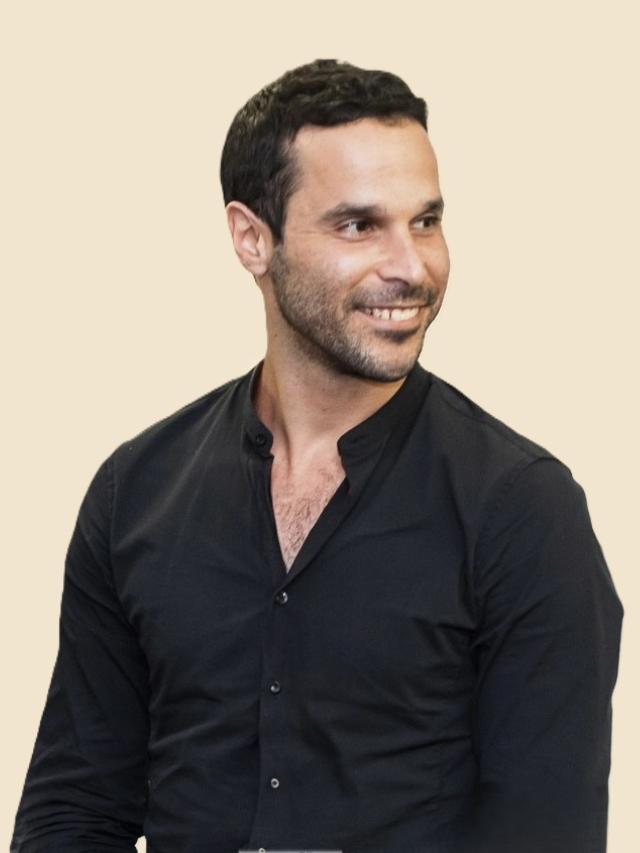
Nice to meet you, I'm Yotam Yanai — married and a father of one, an amateur rock climber and surfer, and a lover of music, nature, and people. I'm also a physiotherapist specializing in rehabilitation and recovery from chronic pain, using an evidence-based neuroplastic approach.
Education and Clinical Experience
I hold a bachelor's degree in physiotherapy (B.PT) from Ben-Gurion University of the Negev, and I'm currently completing a master's in physiotherapy (M.PT) at the University of Haifa, Israel. I work at Reut Rehabilitation Hospital, Tel Aviv, in the day-rehabilitation center (general rehabilitation and pain rehabilitation), and at the Shearim Center — a multidisciplinary clinic for post-trauma care.

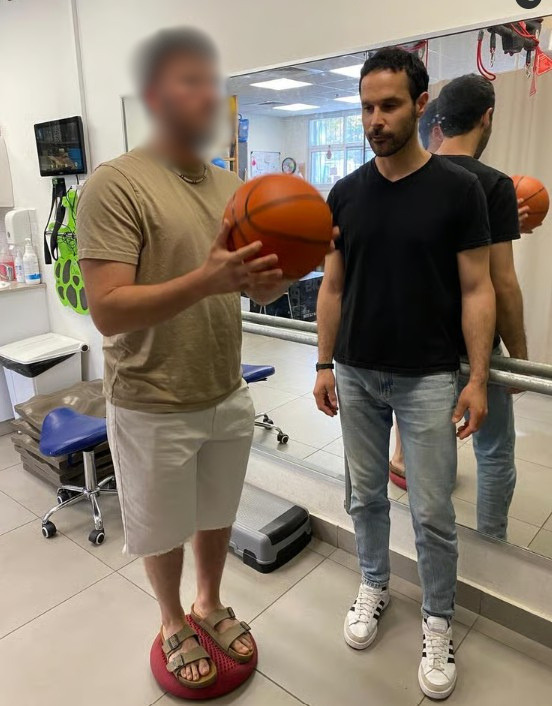
After my studies, I worked and specialized in rehabilitation, treating patients with complex neurological and orthopedic injuries. Over the years I've completed advanced training in this field, and in vestibular rehabilitation (treating vertigo and dizziness).
In addition, through my work in the pain-rehabilitation department, I've gained extensive experience treating persistent pain of all kinds — musculoskeletal pain (back / neck / limbs), headaches, fibromyalgia, endometriosis, CRPS, neuropathic pain, post-concussion syndrome, and other chronic somatic syndromes.
After ongoing frustration with the low effectiveness of traditional approaches and methods for chronic pain (which focused mainly on managing the pain alongside an almost exclusive focus on the physical body), I was introduced to several new and innovative directions in the world of pain rehabilitation — research-based methods that combine treatment of body and mind, and that show a possibility not only to 'manage the pain' or 'learn to live alongside it,' but to genuinely influence it, reduce it, and even recover completely. These frameworks are what's known today as 'neuroplastic' pain treatment (Neuroplastic Recovery Therapies), and the research evidence for their high effectiveness has grown rapidly over the past decade.
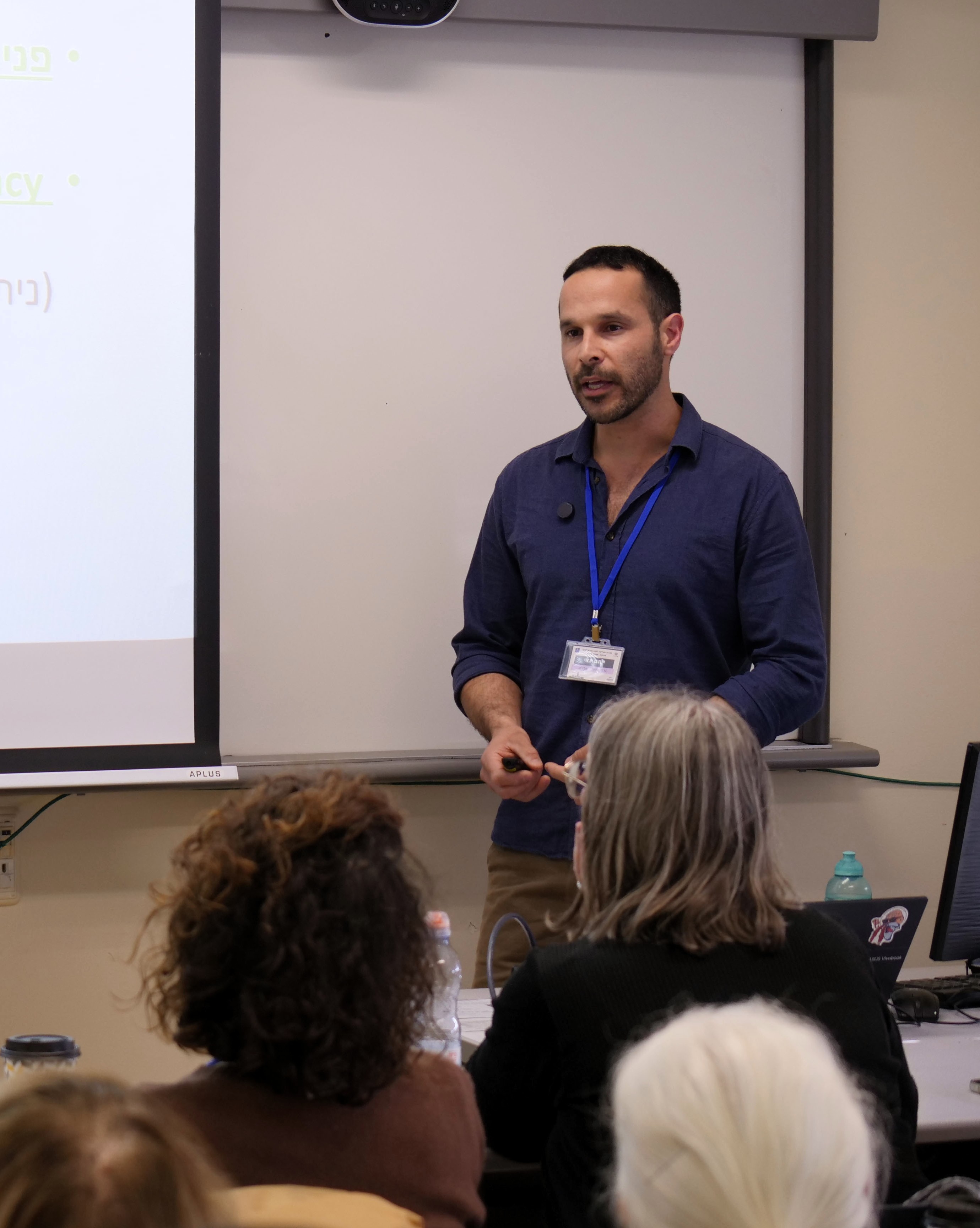
In recent years I also lecture and run workshops in physiotherapy and pain rehabilitation, and take part as a researcher in several studies in the fields of chronic pain, dizziness, and head injuries.
Training and Certifications
Over the years I've completed several advanced trainings in pain and neuroplastic treatment approaches:
- Diagnosis and Treatment of Chronic Pain — taught by Dr. Howard Schubiner
- Pain Reprocessing Therapy (PRT) — Basic and Advanced Training
- Emotional Awareness and Expression Therapy (EAET)
- Trauma-Informed Biofeedback
- Mindfulness
Advanced training in rehabilitation and physiotherapy:
- Advanced Neurological Rehabilitation
- Advanced Orthopedic and Sports-Injury Rehabilitation
- Parkinson's Treatment
- Vestibular Rehabilitation — Basic and Advanced Training
- Post-Concussion Treatment
My Approach
I believe that people living with pain or other persistent symptoms deserve a real explanation of the source of their symptoms, and science-based hope. If the existing treatment methods that focus on fixing the body aren't helping, it's worth considering a different path. After an accurate diagnosis of neuroplastic (nociplastic) pain, and the understanding that pain isn't always a measure of damage — but rather an output of the brain's protective system — another direction for rehabilitation and recovery may open up (for more, see the neuroplastic treatment page).
In short, treatment starts with diagnosing the specific pain mechanism (sometimes a referral for further medical evaluation is needed). It then involves psychoeducation and learning tools and techniques to reduce the brain's 'danger mechanism' that maintains the pain experience, alongside a gradual return to movement and daily function. Treatment is, of course, not a fixed template, but personally tailored to each person, and carried out transparently and collaboratively according to the patient's goals and worldview, while addressing the difficulties and challenges along the way.
What Else?
I have a deep belief in human resilience and in the human brain's capacity for change (its 'plasticity'). I believe such change rests first and foremost (though not exclusively) on scientific knowledge. That's why I see real value in making research and scientific knowledge about pain accessible to the people who suffer from it — knowledge that isn't always available to them.
On the articles page you'll find professional, research-based articles on pain and rehabilitation, written clearly and accessibly, accompanied by links and further resources. For anyone suffering from persistent pain (or other symptoms), I recommend starting with the article series "On chronic pain and recovery."
In addition, from my professional experience I've seen the great importance of exposing patients to information resources that are both trustworthy and specific to the diagnosis and problem they're dealing with. On the resources page you'll find further information resources on pain, organized by topic and by specific diagnosis, so that you won't have to scroll through dozens of different links and articles to find what's relevant to you.
Want to see whether I can help?
Write me, and we can understand together what's going on and the way forward — without any commitment.
Get in Touch