1Can You Recover from Chronic Pain?
Is chronic pain a life sentence, or a reversible condition? The opening of a series on research-based treatment for recovering from persistent pain — without medication or invasive procedures.
Article Series
An ordered series that explains, step by step, how chronic pain develops and how recovery is possible — research-based and accessible.
1Is chronic pain a life sentence, or a reversible condition? The opening of a series on research-based treatment for recovering from persistent pain — without medication or invasive procedures.
2Pain is an experience always created in the brain — not a direct readout of structural damage in the body. On the pain mechanism, and why damage and pain aren't always linked.
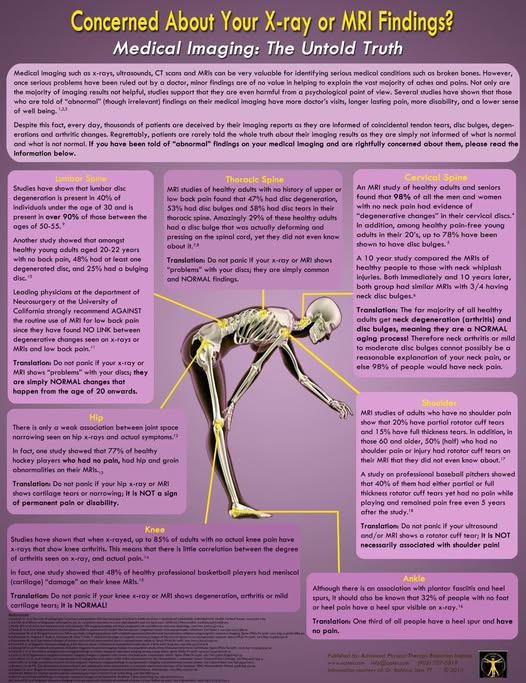
3MRI findings like bulges, stenosis, and herniated discs also exist in healthy people with no pain at all. On the loose link between imaging findings and chronic pain.
4Is chronic pain caused by bad posture, weak muscles, or the weather? Three common myths — and what the research actually shows.
5How does pain turn from acute to chronic? On the brain's 'danger mechanism,' the self-feeding 'pain cycle,' and how change becomes possible.
6PRT — Pain Reprocessing Therapy — trains the brain to respond to pain from a place of safety rather than danger, across four aspects. On this unique approach and what the research shows.
7Stress and trauma can feed ongoing pain — even in people never diagnosed with PTSD. On the link between emotional processes, the brain's 'danger mechanism,' and chronic pain.
8Emotional suppression lights up the brain's 'danger mechanism' and can feed pain — while raising awareness and emotional expression can reduce it. On the suppression process, its effect on pain, and EAET, which addresses exactly this.
9Neuropathic ('nerve') pain stems from damage to the nerves — but nerve damage doesn't always cause pain. On diagnosis, and on the link to the brain's 'danger mechanism.'
10The brain can also produce symptoms that aren't pain — dizziness, fatigue, tinnitus and more — without damage in the body. How to recognize a neuroplastic symptom, and what can be done about it.